Monday, December 12, 2022

How to Get Home Ready for Professional Painters

Whether you are looking to hire painters for an interior or exterior paint job, it’s vital that you take all the necessary precautions and do your part to ensure that you are getting the best possible end results.

That’s right, even your professional painting contractor needs your help. Otherwise, problems may occur when you don’t take the necessary steps to ensure that your home is set up and ready for the work that needs to be done.

So how to get your home set up and ready for professional painters? Let’s find out.

Why Do I Have to Prep?

As a homeowner, you always need to prep before work is being done at your house. It ensures that your property does not get damaged, that the end product is as good as it can be, and protects your belongings from drip and debris.

By hiring a professional paint crew, (like us at Painting in Colour Dublin) you can rest assured that taking the right steps in preparing your house will result in on-time job delivery and quality workmanship. It is important for you to remember that painting companies do not take responsibility for damage to any furniture or household items which were not removed.

How to Get Your Home Set Up and Ready

So how can you get your house in order and ready for work to kick off?
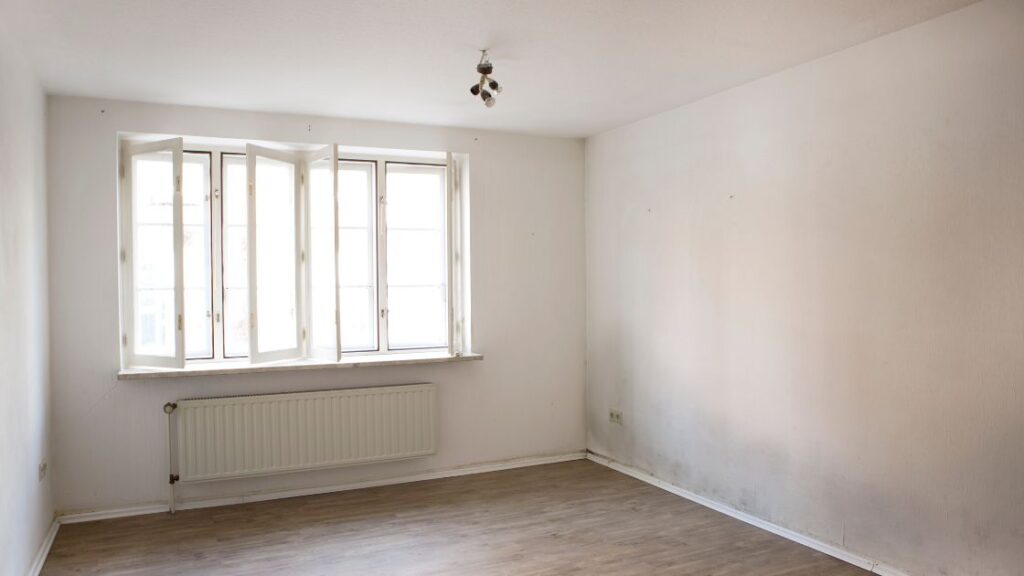
 

Paint Over Mould

Room Cleaning

We always suggest that you wash your walls properly at least 24 hours before the work commences. Cleaning helps to get rid of dust, debris, and other build-ups on the walls and ensures an overall sturdier coat. There is no need to rent a cleaning company or equipment – simply use a long handle broom for washing and a small vacuum to get rid of any leftover debris.

Decluttering / Improving Access

When hiring a professional painting service, you can expect a team of painters to come and go on your property. This requires easy access, and wide open space available not only inside the house but most importantly nearby any entrances for the painting equipment.

Remove Wall Hangings and Decorations

Your home is filled with memories and precious heirlooms, so it’s important to protect them. Remove all picture frames, paintings, clocks, candle holders, mirrors, and other decorations that are hanging on your walls. Another important factor to consider when you are removing wall decorations is to store them in a safe place. You will need to wait for the paint to dry before putting it back on the wall.

Move Furniture Away from the Wall

It is extremely important to Move bigger furniture items away from the walls that are being painted. If a lot of space is not needed by the painters, you can easily move furniture to the centre of the house or room and cover it with a heavy canvas drop cloth or plastic sheeting. This will protect your furniture from any drops that may splatter from the walls.

We aim to minimize the chance of any splatters and make use of canvas drop cloths or sheets to protect your floors. But rather be prepared with your own sheets to ensure enough coverage for all the furniture.

Remove Rugs, Curtains, and Throws

Some furniture or decorative items in your home might be able to be salvaged if paint drops are splattered on them, but rugs, curtains, and throws will be doomed to rags if they get in contact with any paint. Remove all rugs, curtains, and throws and store them in a safe place.

Plan to Vacate the Room

Once the interior painting process is in action you want to minimize or completely limit going into the area. Paint fumes are not fun! Make sure that you have removed all necessary items you might need in the time that the area is going to be off-limits. Plan accordingly if the entirety of your home needs to be painted by knowing which rooms can be used, and when.

Be on the Lookout for Damage

Be aware of all damage to your home before work commences so that you can point out any further flaws or damage to your property once the house painters have done their job. Make a list and always be sure to make the painters aware of any existing damage.

Don’t Be Afraid to Ask Questions

Repainting your home is a commitment, so you should consider all your best options. Painting in Colour Dublin strives to answer all your questions and give upfront advice on how to choose the right paint and colour choices. Through a consultation with a professional paint company, you will be informed on the best way to prepare your home before they start working.

Let the Experts Take Care of the Rest

From here on out all you need to do is lay your trust in the experts to give your home the brand-new coat of paint it deserves, combined with professional workmanship. We strive to get you back into your home in no time. By trusting the experts you will save time, money, and ultimately your sanity – hiring the wrong painters may result in more harm than good.
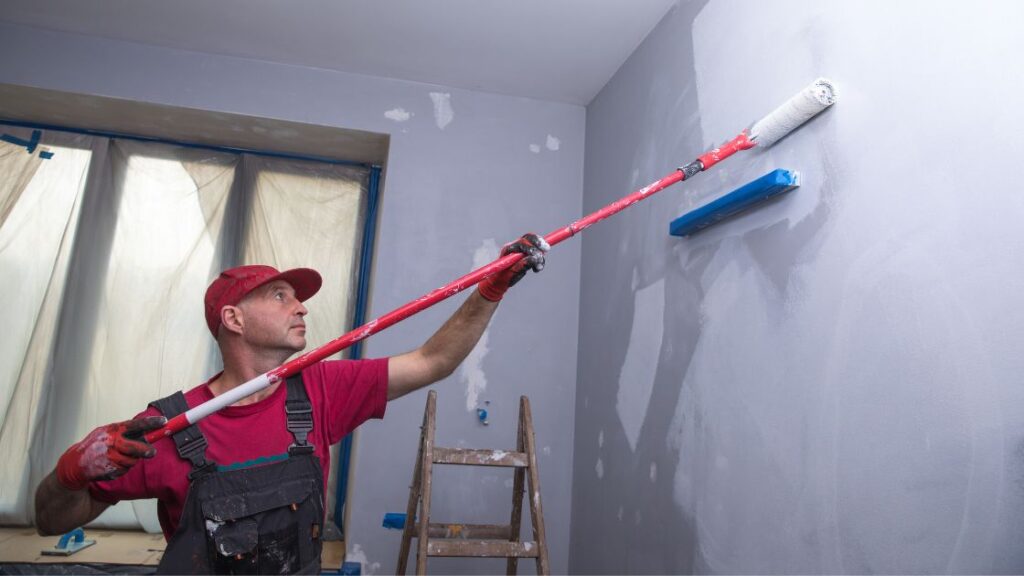
 

paint house Ireland

Plan to Vacate the Room

Once the interior painting process is in action you want to minimize or completely limit going into the area. Paint fumes are not fun! Make sure that you have removed all necessary items you might need in the time that the area is going to be off-limits. Plan accordingly if the entirety of your home needs to be painted by knowing which rooms can be used, and when.

Be on the Lookout for Damage

Be aware of all damage to your home before work commences so that you can point out any further flaws or damage to your property once the house painters have done their job. Make a list and always be sure to make the painters aware of any existing damage.

Don’t Be Afraid to Ask Questions

Repainting your home is a commitment, so you should consider all your best options. Painting in Colour Dublin strives to answer all your questions and give upfront advice on how to choose the right paint and colour choices. Through a consultation with a professional paint company, you will be informed on the best way to prepare your home before they start working.

Let the Experts Take Care of the Rest

From here on out all you need to do is lay your trust in the experts to give your home the brand-new coat of paint it deserves, combined with professional workmanship. We strive to get you back into your home in no time. By trusting the experts you will save time, money, and ultimately your sanity – hiring the wrong painters may result in more harm than good.

Painting in Colour – Prepare for the Professionals

Hire an expert who won’t only breathe new life into your home but also advise you on how to prepare your home to get the job done safely, quietly, and quickly.

Call Painting in Colour Dublin today for a 100% free quote on 087 351 9291 or click on our website to reserve a free call back. With years of experience in house painting, you can expect expert workmanship and advice for a stress-free experience.


from Painting in Colours https://paintingincolour.ie/ready-for-professional-painters/
via IFTTT

Monday, December 5, 2022

How To Repair Drywall Before Painting

A fresh lick of paint is always a great idea, but make sure you do it the right way by preparing your drywall first (if applicable, of course). Drywall is a popular wallcovering material because of its durability and low cost. However, like any other wall surface, it can be damaged by moisture, sun exposure, and pollutants.

In this blog post, we will go over the basics of drywall repair before painting and show you how to prepare your walls before a big paint job. Solve any drywall repair questions that you may have before making the decision to repair or replace your drywall!

What Is Drywall

Drywall is a relatively cheap material that is easy to repair, and is a popular choice for walls (as the name implies) and ceilings in both residential and commercial settings. It is also commonly known as gypsum board or sheetrock. It is also often used to create aesthetic designs, like arches and eaves.

When it starts to deteriorate, it can become damaged by moisture or general wear and tear. To avoid any headaches during the repair process, make sure to know what drywall is, what it’s made of, and what the signs of damage are. Additionally, take the time to patch holes, clean surfaces, and adjust trim levels before painting.

Types of Drywall Repair

Wall repair is a necessary evil – at some point, every homeowner will have to give their drywall a bit of a makeover. It helps to know that there are two types of repairs; patching and sealing.

Patching is the most common, and it involves reinforcing the area that needs to be fixed with a new piece of drywall, or by spackling the area with a drywall compound. Sealing is necessary when there’s water damage or mould on the wall, and it creates a waterproof sealant that prevents further damage from occurring.

There are also two methods you can use;

Tape and Spackle

Tape is best for straight lines and spackle is better for curves and corners. Use a level when taping and spackling to ensure accuracy. And finally, allow time for the patch to dry before painting over it – this will help avoid future problems.

Joint Compound

Painting your house during spring weather is a great way to avoid any harsh winter winds that can damage the exposed surfaces of your home. Thanks to the mild weather and lack of pollen, now is a great time to get your house painted! Plus, painting in springtime gives your home a fresh look that will last throughout the year.

Repair Drywall

Preparing Your Dry Wall for Painting

Drywall repair can be a daunting task, but with a little patience and the right tools, the process can be successful. Before you get started, be sure to assess the damage. Remember, drywall is a thin sheet of paper and can be damaged easily. Once you have an idea of the extent of the damage, follow the step-by-step repair process to get the job done right.

First things first – start by removing any works of art or decorative pieces adorning your wall so you can get up close and assess the true condition of your walls. Naturally, you should notice a few small yet insignificant flaws from normal wear and tear.

Dents, nail pops, cracks, scrapes and the like are to be expected. These imperfections can be difficult to spot, but if you fail to repair the dings, a fresh coat of paint is guaranteed to highlight the damage – it does not make for a professional-looking paint job! If you are having trouble identifying the problem areas, just slowly inspect the wall with a utility light. When you find an offending spot, circle it with a pen so that you can get back to it.

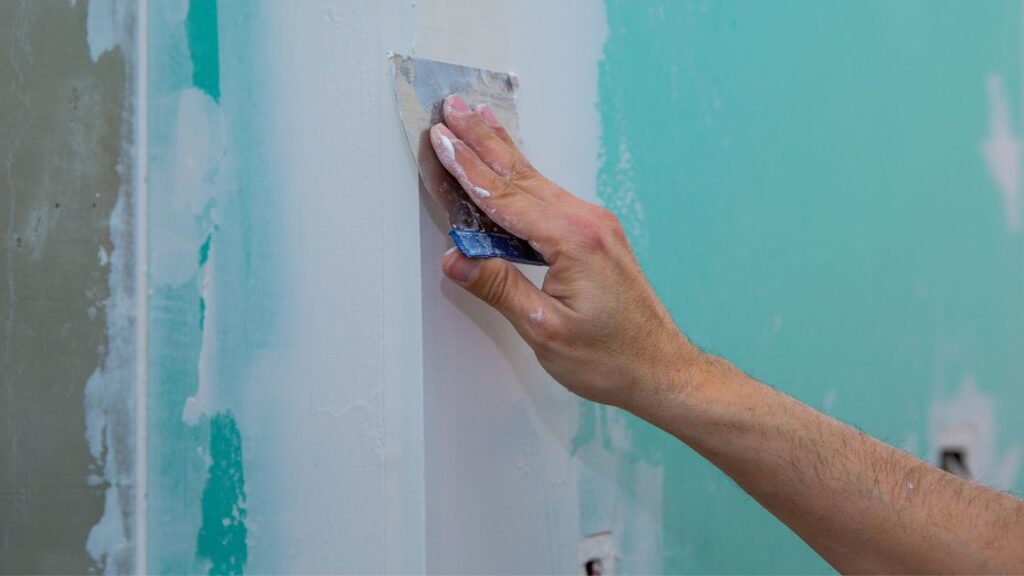
  • Small holes and hairline cracks – To repair holes and dents that are small, the process is fairly quick and painless. For small dings and holes, clean the surrounding area and get rid of debris. You can then fill the hole with either a spackling compound (either pre-mixed or mix it yourself) and level the paste with a putty knife flush with the wall. Simply follow the instructions to the letter on your product, and you can’t go wrong. Leave the area to area for about 24 hours, and sandpaper the area for a smooth surface. This technique works well to fill up popped nail head holes.

There might also be more serious areas that require attention, like patches of water damage, mould, or larger holes.

  • Larger holes – For large holes, to repair process is a little bit more advanced. If the hole is smaller than about 6 inches in diameter, you can just place an adhesive drywall patch over the hole. Viola! Now apply a layer of the drywall compound over it. Allow this first layer to dry properly, and then add a second layer of the compound. Once this has dried, you can sand over it like in the above step.For holes larger than 6 inches, you need to work a bit harder, so you will likely have to cut your own custom drywall patch to fit over the hole. The following steps are very much the same as for smaller holes, but you will have to a drywall screw for furring strips to keep your custom patch in place. If you are unsure what to do in this case, your best bet is to call in the professionals.

  • Water damage – Water damage can happen to any part of your house, and it’s always important to be aware of the signs. If you suspect water damage, always test for moisture first. If there is a lot of moisture or water stains present, repairing the wall may not be possible as the plaster will start rotting. In this case, hiring a professional contractor would be the best solution. Water damage can also cause mould and extensive damage to property in general – so it’s important to have all your ducks in a row before starting any work!

Once you’ve done the repairs, don’t forget to vacuum up any dust, and give the walls a good wipe with a damp cloth to remove any residue. Once the walls are dry, you are ready to start painting your first coat of primer and paint. Remember, always remember to wear protective gear, like safety goggles, a dust mask, and gloves, if you are going the DIY route.

Are Drywall Repairs Expense?

This depends on the extent of the damage, and your own skills in carrying out the minor repairs yourself. That said, a botched DIY drywall job can be more costly than getting experienced contractors in from the get-go.

The best contractors will offer repair estimates before starting work. We offer free and transparent quotes so there are no surprises.

DIY Drywall Made Easy

As we’ve illustrated, drywall is a common building material that is often used in construction and design. However, repairs can be a messy and time-consuming process. In this blog, we’ve discussed the basics of sheetrock and explained the steps to take to repair drywall before painting.

When in doubt, or if you aren’t completely confident in your own DIY capabilities, make sure to reach out to professional painters. At Painting in Colour in Dublin, we can take care of all your drywall dramas for you, at competitive rates that deliver outstanding results.


from Painting in Colours https://paintingincolour.ie/how-to-repair-drywall-before-painting/
via IFTTT